Content Strategy
We drove 10,091 tracked users in 30 days for Spoil.me
Discover how smart typography and subtitle styling boost watch time and engagement.
Colin Madden
The Spoil Me Story
They weren't running paid ads. At all. Zero media budget.
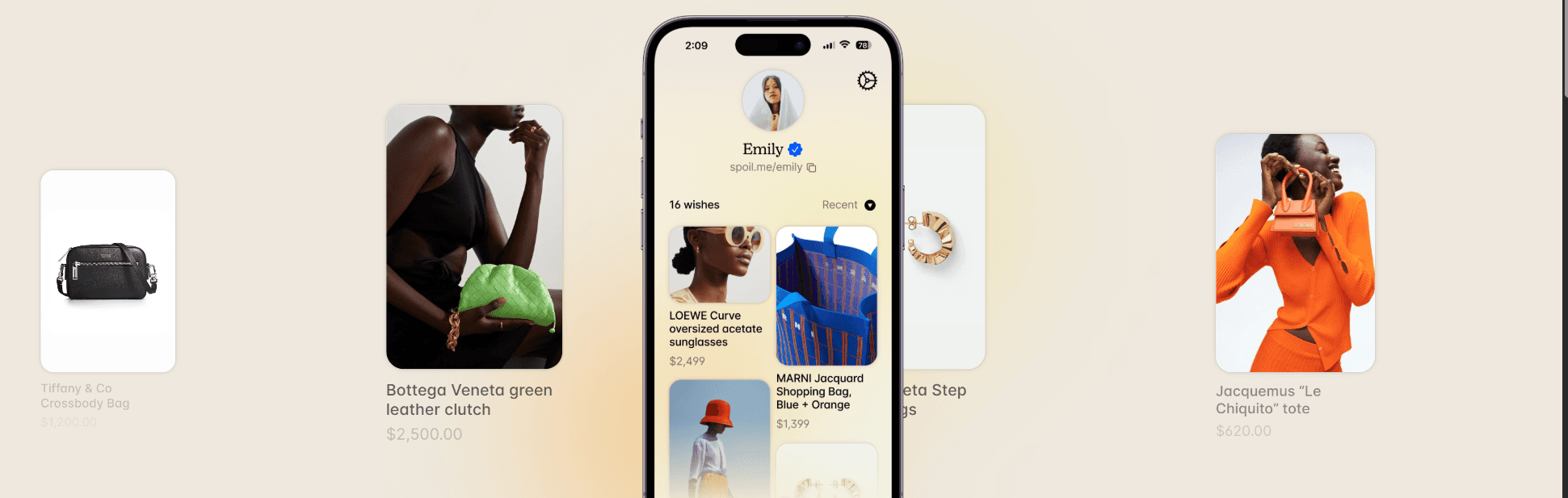
Spoil Me is a gifting app — you build a wishlist, people can buy things off it for you. Simple concept, but growing it organically? That's the hard part.
They needed users. Fast. And they wanted them tracked so they could actually see what was working.
Most apps in this position would just throw money at Meta or Google ads. They didn't. They bet on organic UGC instead.
What was actually wrong
They didn't have a user acquisition engine. No paid ads meant no predictable growth. And organic social without a system is just... posting and hoping.
The challenge with UGC for an app like this is tracking. With paid ads, you've got pixels and attribution and anchor links. With organic TikTok or Instagram? You're posting content and praying people remember to use your code when they sign up.
Spoil Me had invite codes, but getting people to actually use them? That's where most campaigns die.
What we actually did
We brought in creators. Not influencers with millions of followers — creators who fit the vibe and could post consistently.
The structure was simple: every creator posts once per day on two platforms. TikTok and Instagram. That's 50 posts per day, every single day, for 30 days.
Different hooks, different styles, different angles. Some worked. Most didn't. That's how it goes.
But here's what made it different — we weren't just trying to get views. We were trying to get tracked sign-ups. Every post had to drive people to actually use the invite code.
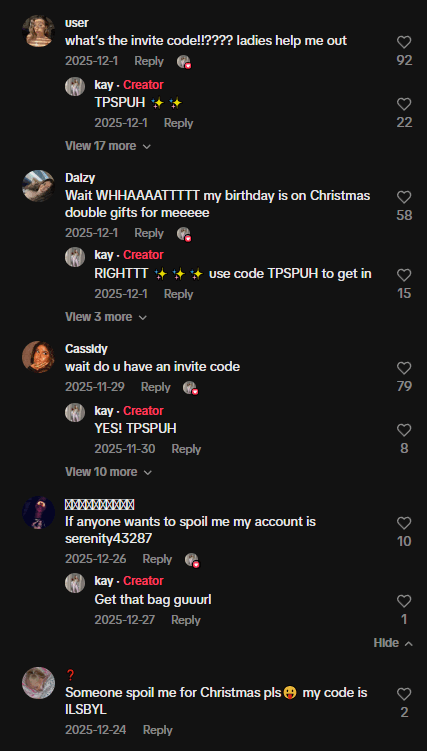
And then something interesting happened. The comment sections started filling up with regular users dropping their invite codes. Not the creators. Just random people who'd signed up and wanted to get their friends on the app.
Organic viral loop. That's when you know it's working.
The results
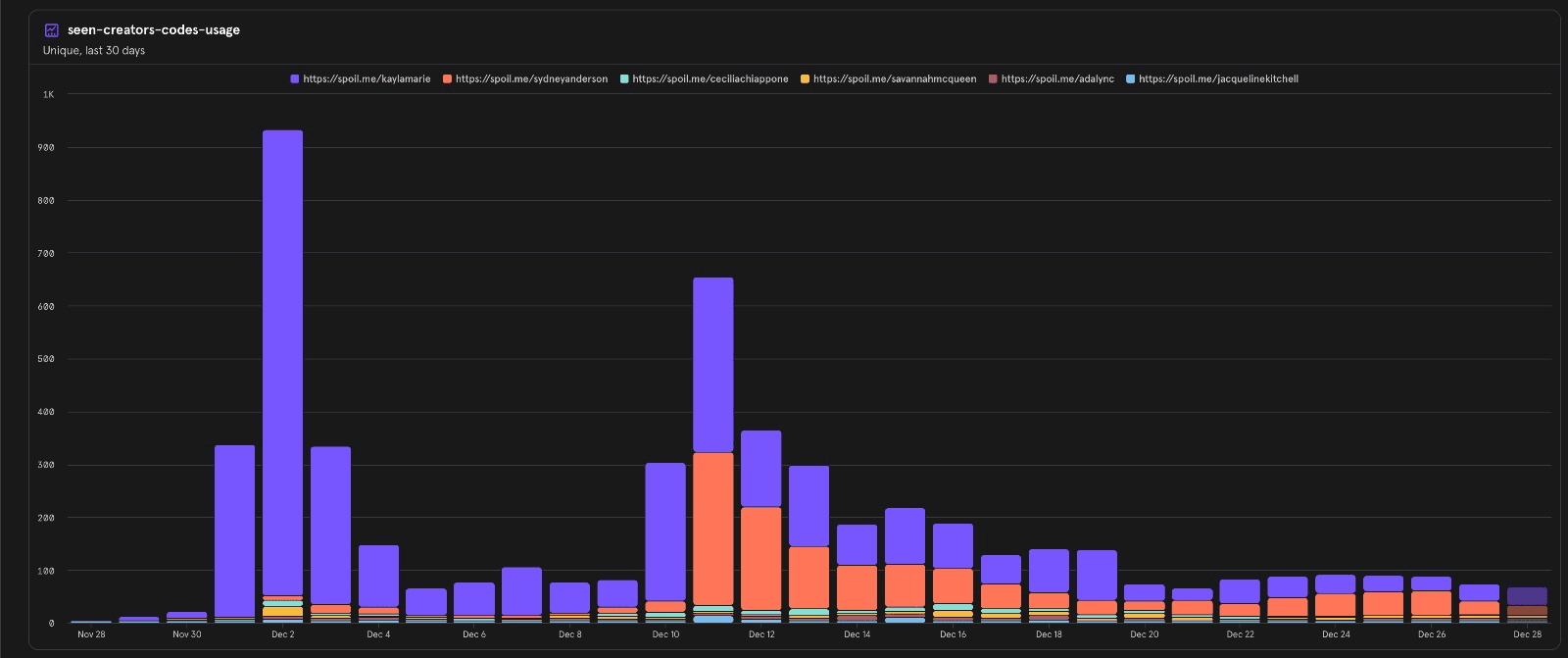
10,091 tracked users in 30 days.
That's people who definitely used a creator's invite code to sign up. We can verify those. They're in the system.
But here's the thing about organic — not everyone uses the code. They see the content, they search the app later, they download it directly. Or a friend tells them about it and they sign up without any code at all.
Based on the 10 million organic views we generated and typical conversion patterns, we estimate the real number is closer to 18-30K total users. Conservative math puts it at 3x tracked users. We're being aggressive, but the volume supports it.
Zero dollars spent on paid ads. This was pure organic UGC growth.
10 million views. 50 posts a day. 30 days. Q4 2024.
The entire campaign was structured, consistent, and high-volume. That's what moves the needle.
Why it actually worked
Volume. You can't test two creators and call it a strategy. We had 25 posting every single day across two platforms.
The invite code structure created a built-in referral loop. When regular users started dropping their own codes in the comments, that's free distribution. People trust other users more than they trust branded content anyway.
And we were incredibly collaborative with the team. They weren't trying to run paid ads on the side or second-guess every creative decision. They committed to the process and let us execute.
Most campaigns fail because brands want guaranteed results before they even start. This one worked because Spoil Me understood that organic UGC is about testing fast, killing what doesn't work, and scaling what does.
The bigger point
Spoil Me didn't have a paid ads budget. They weren't diversifying from something that already worked — they were building their entire user acquisition strategy on organic.
That's riskier. But when you commit to it, structure it right, and post at volume, it works.
10,091 tracked users. Probably closer to 20-30K real users. Zero ad spend.
That's the model.